Yesterday Dream: A Modern Script Font for Web Design
In the fast-paced world of digital product creation, typography is not merely about aesthetics; it is a functional tool that dictates user experience, guides visual hierarchy, and establishes immediate brand trust. As web designers and UI specialists, we constantly search for typefaces that bridge the gap between human warmth and digital precision. Yesterday Dream emerges as a compelling solution in this space. Classified under the Script Amp category, this iconic duo font combines modern sensibilities with handwritten charm, offering a versatile asset for landing pages, app interfaces, and branded web experiences.
Understanding the Visual Personality
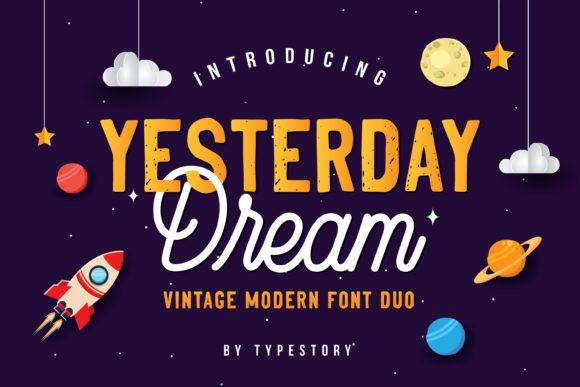
Yesterday Dream is defined by its dual nature. It is not just a single static style but a harmonious pairing of two distinct yet complementary fonts. One element brings the fluidity and organic movement of a handwritten script, while the other provides the structural stability of a modern sans serif or clean display type. This combination creates a "match made in heaven" for designers who struggle to balance personality with readability.
The handwritten component carries an authentic, human touch. In an era where digital interfaces can often feel cold or overly corporate, this script adds emotional resonance. It suggests craftsmanship, care, and approachability. Conversely, the modern counterpart ensures that the design remains grounded, professional, and easy to scan. When used together, they create a dynamic contrast that captures attention without sacrificing clarity. This makes Yesterday Dream an excellent choice for creative entrepreneurs, boutique online stores, and SaaS founders who want their brand identity to feel both premium and personal.
Strategic Placement in Digital Layouts
Knowing where to place a decorative or script font is critical for maintaining usability. Yesterday Dream shines brightest in areas where you need to establish an emotional connection or highlight key value propositions. Here is how you can integrate it into your web design workflow:
- Hero Sections and Landing Pages: Use the script variant for the main headline or a supporting sub-headline in your hero section. It breaks the monotony of standard web typography and draws the eye immediately. Pair it with a strong call-to-action button to guide users toward conversion.
- Brand Headers and Logos: For portfolio sites, coaching websites, or creative agencies, Yesterday Dream can serve as the primary logo text. Its unique character helps differentiate your brand identity from competitors using generic system fonts.
- Section Dividers and Accents: Use short phrases or single words in the script style to label sections such as "Our Story," "Testimonials," or "Services." This adds visual rhythm to long-scrolling pages and improves scanning behavior.
- Digital Ads and Social Graphics: In banner ads or Instagram stories, the font’s bold personality stands out against busy backgrounds. It works well for limited-time offers or inspirational quotes that need to feel personal rather than promotional.
Readability and Responsive Considerations
While decorative fonts add flair, they must remain legible across all devices. When implementing Yesterday Dream in responsive layouts, consider the following best practices to ensure a seamless user experience:
Mobile Optimization: On smaller screens, intricate script details can blur or become difficult to read. Increase the font size and line height for mobile views. Avoid using the script variant for body copy or long paragraphs. Instead, reserve it for headings and short labels. Ensure there is sufficient contrast between the text color and the background, especially on image overlays.
Visual Hierarchy: Use the modern component of the duo for body text, navigation menus, and form inputs. This creates a clear distinction between decorative elements and functional content. Users should never have to struggle to read essential information. The script font acts as the accent, guiding the eye, while the sans serif or clean font does the heavy lifting of information delivery.
Dark and Light Modes: Test the font on both dark and light backgrounds. Handwritten fonts often rely on stroke thickness variations. On dark backgrounds, ensure the strokes are thick enough to remain visible. On light backgrounds, check that the finer details do not disappear. Adjusting weight and opacity may be necessary to maintain consistency across different themes.
Effective Font Pairing Strategies
The power of Yesterday Dream lies in its inherent pairing capability, but understanding how to extend this to other typefaces can elevate your design further. Since the duo already balances script and modern styles, you can use the modern component as a bridge to other neutral fonts.
For a clean, editorial look, pair the modern aspect of Yesterday Dream with a classic serif font for body copy. This combination works well for blogs, online magazines, and luxury e-commerce sites. The serif adds authority and tradition, while the script adds a contemporary twist. Alternatively, for a tech-forward or minimalist aesthetic, stick to a geometric sans serif for all supporting text. This keeps the interface uncluttered and allows Yesterday Dream to stand out as the primary brand voice.
Avoid pairing it with another decorative or handwritten font. This creates visual noise and reduces readability. The goal is contrast, not competition. Let Yesterday Dream be the star, and let your secondary fonts play a supportive role.
Licensing and Technical Implementation
Before integrating Yesterday Dream into client projects or commercial products, verify the licensing terms. As a premium font, it typically comes with specific usage rights for web, desktop, and app embedding. Ensure you have the appropriate webfont files (such as WOFF or WOFF2) for optimal loading speeds and browser compatibility. Check for multilingual support if your target audience spans different regions, as this affects the global scalability of your brand identity.
Additionally, review the included styles and alternates. Many modern script fonts offer swashes, ligatures, or alternate characters that can add uniqueness to logos or headlines. Utilizing these features can prevent your design from looking generic and allow for greater customization in your brand assets.
In conclusion, Yesterday Dream is more than just a stylish typeface; it is a strategic design tool. By balancing emotional appeal with modern clarity, it supports better visual hierarchy, enhances brand trust, and improves user engagement. Whether you are designing a high-converting landing page, a personal portfolio, or a boutique online store, this font provides the versatility needed to create a memorable and effective digital presence.