Historya: A Handwritten Font for Digital Design
In the crowded landscape of web design, where user attention spans are measured in seconds, typography does more than just convey information. It sets the emotional tone, establishes trust, and guides the eye through a digital journey. For UI designers and product creators, finding a typeface that balances personality with professionalism is often the most challenging part of building a brand identity. This is where Historya steps in. As a delicate and elegant handwritten font from Script Amp, it offers a unique solution for designers looking to inject warmth and humanity into their digital products without sacrificing clarity.
The Visual Personality of Historya
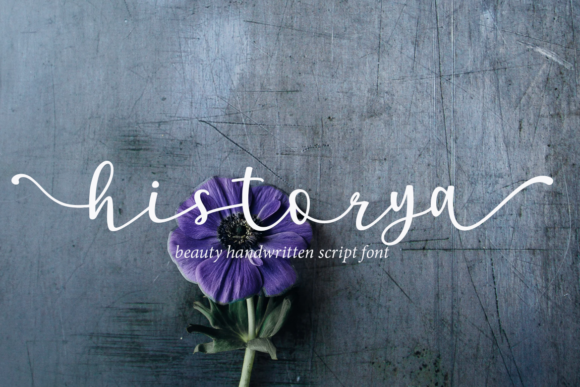
Historya is not just another script font; it is a carefully crafted display font designed with well-balanced characters that flow naturally. Unlike rigid geometric sans serif fonts that dominate modern SaaS interfaces, Historya brings an organic rhythm to the screen. Its strokes are thin yet distinct, creating a sense of lightness and sophistication. This makes it an ideal choice for brands that want to appear approachable, creative, and premium.
For web designers, the appeal lies in its versatility. While many handwritten fonts struggle with legibility at smaller sizes or on low-resolution screens, Historya maintains its integrity. The spacing between letters is optimized for digital readability, ensuring that users can scan headlines quickly. This balance between artistic flair and functional design is what makes it a valuable asset in any designer’s toolkit.
Enhancing Visual Hierarchy in Web Layouts
One of the primary roles of typography in web design is to establish visual hierarchy. Users need to know instantly what is important. Historya excels in this area when used for hero sections, landing page headers, and call-to-action areas. Because of its distinctive style, it draws the eye immediately, making it perfect for short phrases, main titles, or emotional hooks.
Consider a coaching website or a portfolio site. A bold, black sans serif headline might feel too corporate or cold. By replacing it with Historya, you introduce a personal touch that resonates with visitors on an emotional level. It suggests that there is a human behind the brand. However, it is crucial to use it sparingly. Overusing a script font can clutter the interface and reduce conversion rates. Use Historya for impact points—such as the main value proposition on a landing page or the header of a blog post—and let simpler fonts handle the heavy lifting of body copy.
Strategic Font Pairing for Digital Interfaces
To maximize the effectiveness of Historya, pairing it with the right complementary typeface is essential. Since Historya is a decorative display font, it pairs beautifully with clean, neutral sans serif fonts. This combination creates a modern typography stack that feels both stylish and readable. For example, using Historya for section headings and a lightweight sans serif for paragraph text ensures that the content remains accessible while the design retains its character.
If you are working on a project with a more editorial or luxurious feel, such as a boutique online store or a high-end fashion blog, consider pairing Historya with a classic serif font. This combination evokes a sense of tradition and elegance, enhancing the perceived value of the products or services offered. The key is contrast. The fluidity of Historya should stand out against the structure of the supporting font, creating a dynamic tension that keeps the user engaged.
Readability Across Devices and Backgrounds
Responsive design is non-negotiable in today’s multi-device world. A font that looks stunning on a desktop monitor may become illegible on a mobile screen. When implementing Historya in your CSS, pay close attention to font size and line height. For mobile views, increase the size slightly to ensure the delicate strokes do not blur or disappear. Avoid using Historya for small buttons or navigation menus where quick recognition is critical. Instead, reserve it for larger elements like banners, hero images, and featured quotes.
Background contrast also plays a significant role in readability. Historya performs exceptionally well on light backgrounds, where its dark, flowing lines stand out clearly. On dark backgrounds, ensure that the font weight is sufficient to maintain visibility. If you are placing text over image overlays, use a semi-transparent backdrop or a subtle text shadow to separate the font from the busy background. This ensures that the elegance of the typeface is not lost in visual noise.
Building Brand Identity with Consistent Typography
A consistent online identity is built on repetition and recognition. By incorporating Historya into your brand assets, you create a visual signature that users begin to associate with your brand’s voice. Whether it is used in social media graphics, email headers, or digital ads, the consistent use of this handwritten font reinforces brand recall. It signals creativity, care, and attention to detail.
For digital product creators, such as those selling courses or templates, Historya can add a layer of perceived value. A course sales page that uses elegant typography feels more premium and trustworthy than one that relies on default system fonts. It suggests that the creator has invested time and resources into the presentation, which often translates to higher confidence in the product itself.
Technical Considerations and Licensing
Before integrating Historya into your next project, review the technical specifications provided by Script Amp. Check for available file formats, such as WOFF and WOFF2, which are optimized for web performance. Ensure that the font supports the languages required for your target audience. Many premium fonts include alternates and ligatures that can add extra flair to your designs, so explore these options to customize the look further.
Finally, always respect commercial font licensing. Using a font without the proper license for websites, client projects, or online stores can lead to legal issues. Verify that your license covers the intended use cases, including digital advertising and template distribution. Investing in a properly licensed premium font like Historya not only protects your business but also supports the designers who create these essential tools.
In conclusion, Historya is more than just a typeface; it is a design tool that bridges the gap between aesthetic beauty and functional usability. By understanding its strengths and limitations, web designers and digital creators can leverage its elegance to build more engaging, trustworthy, and visually compelling online experiences.